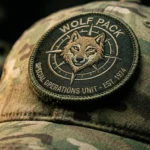
How to Make a Velcro Patch: The Industrial B2B Process
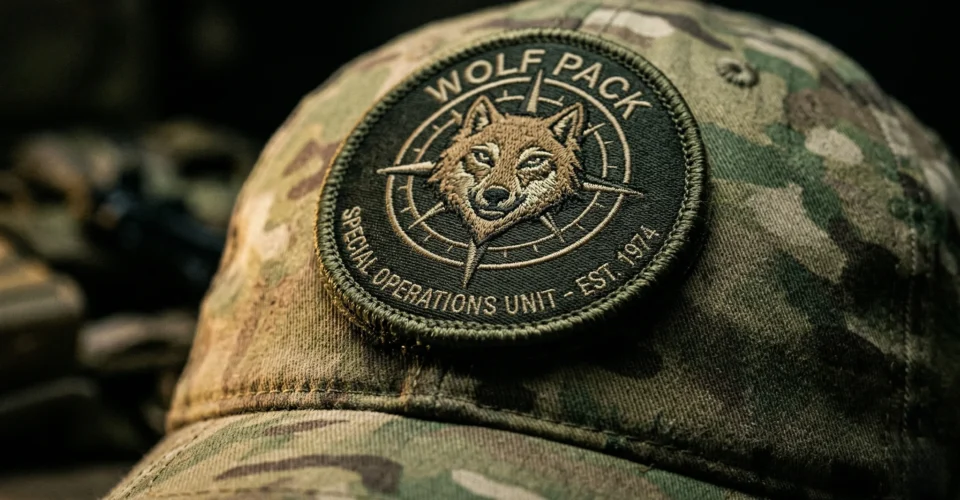
How to make a velcro patch for a professional tactical brand requires a move away from DIY methods and toward industrial manufacturing. While many gear suppliers ask how to make a patch velcro for tactical use, the secret to durability lies in factory-grade equipment and materials. Whether applied to a heavy-duty backpack or a professional uniform, a high-quality removable badge must withstand hundreds of ripping cycles without peeling. In this comprehensive guide, our production team reveals the exact factory methodology we use to produce thousands of flawless units every single month.

1. Expert Steps: How to Make a Patch Velcro
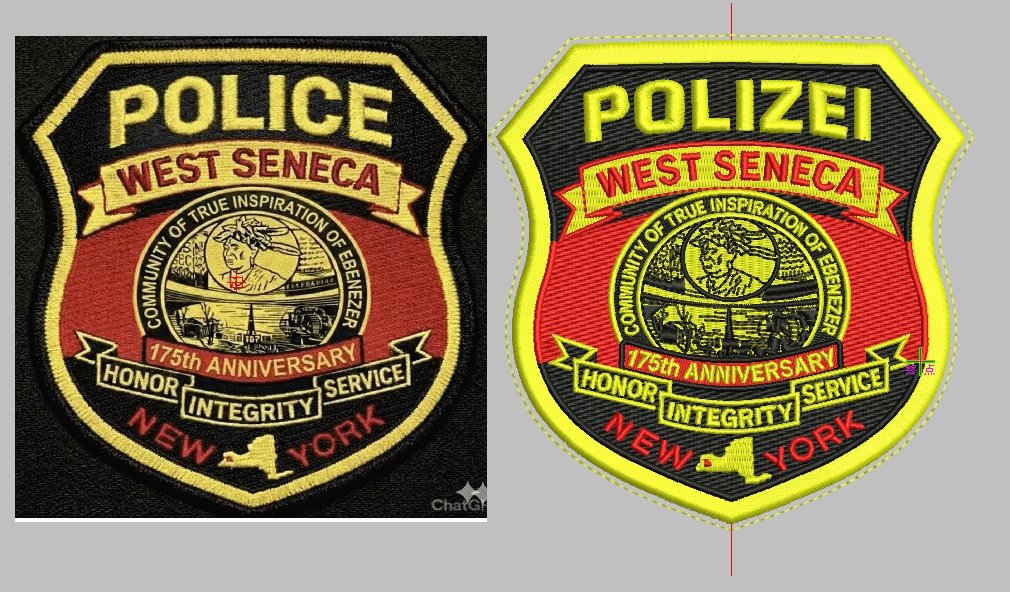
The journey begins in our digitizing department. Before any needle pierces the fabric, your vector artwork must be translated into a specialized digital language. When preparing the design, our digitizing technicians specifically optimize the thread tension and pathing to account for the extra thickness of the heavy-duty backing material that will be applied later. This precise calculation ensures the final front-facing design remains incredibly crisp, avoids any structural warping, and prepares the foundation for a perfect patch.
2. Sourcing High-Quality Hook and Loop Patches
The secret to absolute longevity lies in the raw materials. The term Velcro is actually a trademark for what the textile industry officially calls a hook-and-loop fastener. For professional tactical gear, we completely reject the cheap, standard-grade commercial fasteners found in local craft stores. Instead, we strictly source industrial-grade nylon hook material that features stiff, densely packed micro-hooks. This specific military grade provides maximum gripping strength and resists collecting lint, mud, or debris during heavy field usage.
3. How to Make Custom Velcro Patches with Tajima
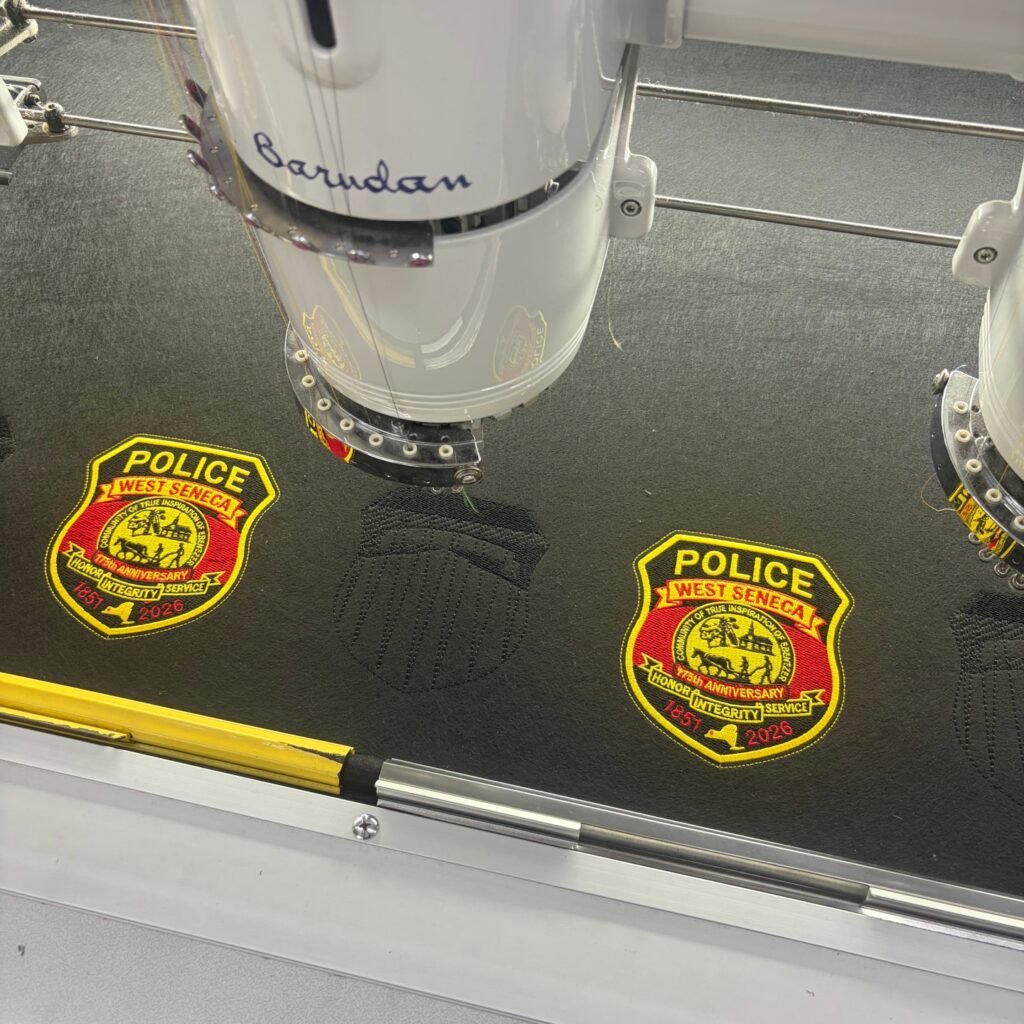
If you want to know how to make custom velcro patches with zero quality compromises, the answer is Japanese machinery. Inside our massive 1,400sqm production facility, we operate 15 advanced Tajima embroidery machines. These high-speed commercial units drive industrial needles through the tough fabric layer with laser precision, depositing hundreds of stitches per minute while matching your exact brand Pantone colors perfectly. This stage brings your artwork to life with high-density commercial threads.

4. Applying the Velcro Patch Backing Securely
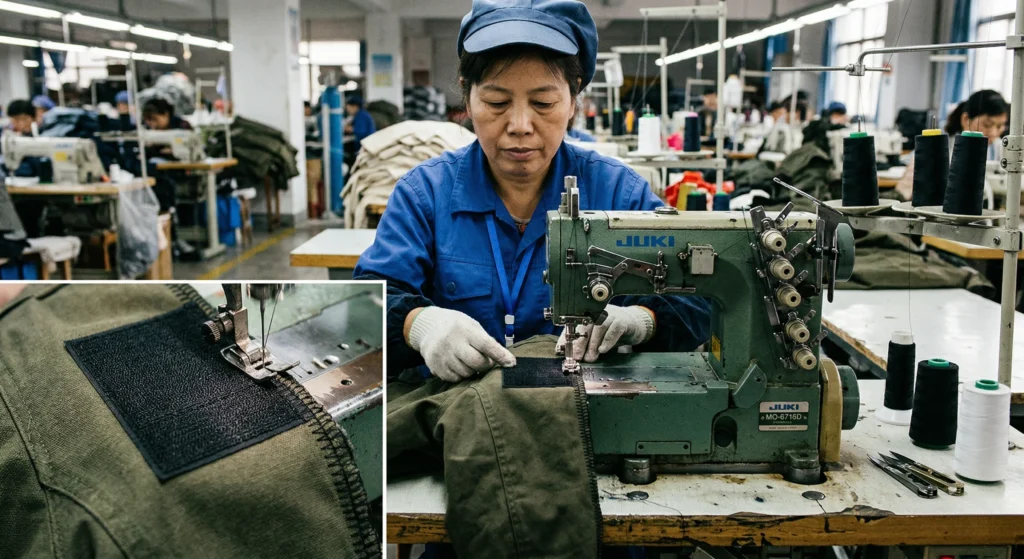
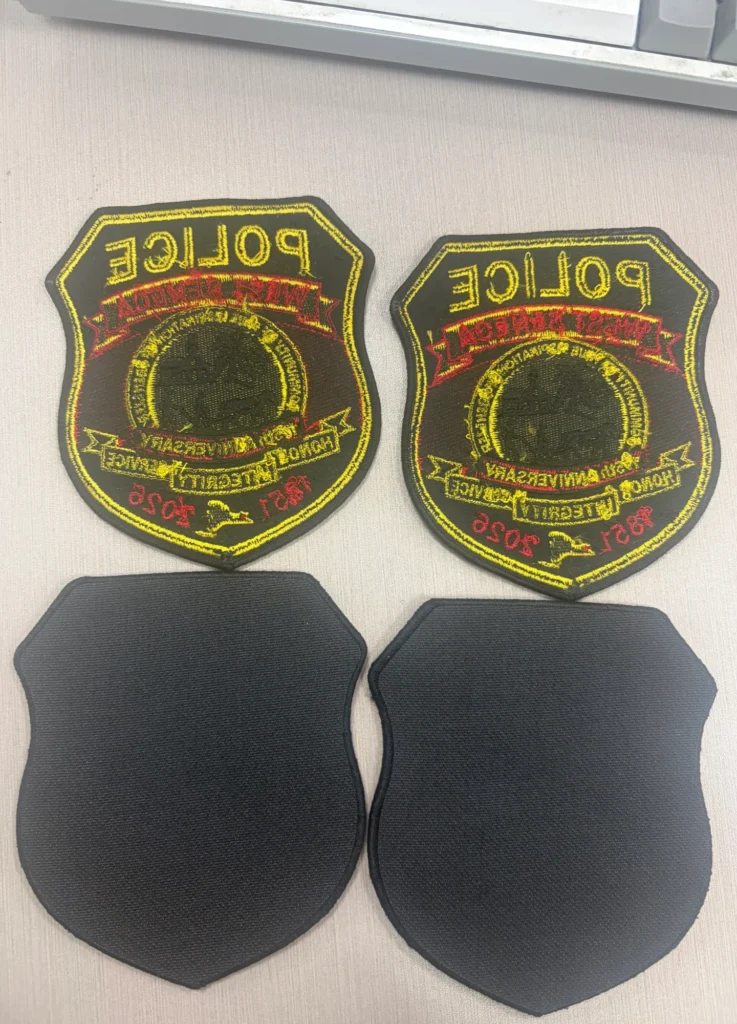
This step separates professional factories from amateurs. A common failure point in cheap merchandise is when the velcro patch backing separates from the embroidery because it was only attached using chemical glue. Our factory utilizes a robust dual-lock system. First, we apply an industrial heat-seal adhesive to bond the hook material to the patch. Second, and most importantly, we use a heavy-duty overlock sewing machine to create a thick merrowed border. This specialized border stitch wraps tightly around the entire perimeter, mechanically locking the embroidered twill and the nylon hook layer together permanently.
5. Inspecting Custom Velcro Patches for Quality
Quality control is the final, non-negotiable step. Every single batch of custom velcro patches undergoes a rigorous visual and physical inspection before shipping. Our quality assurance team checks for loose threads, incorrect color matching, and tests the peel-and-shear strength of the backing. If a patch does not meet our strict B2B standard, it is immediately discarded. This ensures that when your customers receive their gear, the branding looks impeccable and functions flawlessly in the field.
6. Partnering with a Velcro Patch Manufacturer
If your brand requires consistent quality and scalable volume, attempting to manage production through middlemen brokers is a recipe for delays and margin loss. By partnering strictly with a direct velcro patch manufacturer like PatchCraftPro, you gain immediate access to factory-direct pricing, rapid turnaround times of just 15 business days, and a strict quality control process. We handle the complex manufacturing workload, allowing you to focus entirely on marketing, retail distribution, and brand growth.
Everything You Need to Know: How to Make a Velcro Patch
Now that you understand how to make a velcro patch in an industrial setting, it is time to upgrade your brand’s hardware. If you are also sourcing promotional headwear, be sure to review our detailed guide on custom hat patches. Stop risking your brand’s reputation with inferior construction. Contact our B2B production team today with your logo files. We support low minimum order quantities for pilot runs and will provide a free digital proof alongside a highly competitive wholesale quote within 24 hours.