

- Introduction: That Classic Fuzzy Texture
- What is a Chenille Patch, Exactly?
- The Classic Look: Large Chenille Letter Patches
- The Modern Trend: The Chenille Patch Sweatshirt
- How to Apply: Iron On Chenille Patches
- Partner with a Direct Factory
What is a Chenille Patch? 4 Best Facts & Ultimate Iron-On Guide
Introduction: That Classic Fuzzy Texture
Ever run your hand over a vintage high school letterman jacket? You probably remember that thick, fuzzy, almost carpet-like texture on the chest logo. It stands out. It begs to be touched.
If you are an apparel designer or a brand owner looking to add serious 3D volume to your clothing line, standard flat thread doesn’t always cut it. This leads many brands to ask: what is a chenille patch, and why is it making such a massive comeback in modern streetwear?
Let’s break down exactly how this unique material works, where it looks best, and how to apply it to your garments.
What is a Chenille Patch, Exactly?
So, let’s get to the technical definition. The word “chenille” actually comes from the French word for caterpillar. When you look closely at a chenille embroidery patch, you instantly understand why.
Unlike traditional embroidery—where threads are stitched flat and tight against a fabric backing—chenille uses a vaulted yarn method. Specialized machines push heavy yarn up through the bottom of a felt base, creating thousands of tiny, tightly packed loops.
The result? A plush, towel-like surface that gives the emblem incredible depth and a soft, retro feel. It is not printed. It is not flat. It is a genuine, tactile 3D experience.
The Classic Look: Large Chenille Letter Patches
You simply cannot talk about this manufacturing style without mentioning varsity sports. For decades, the absolute standard for American high school and college athletes has been large chenille letter patches.
You simply cannot talk about this manufacturing style without mentioning varsity sports. For decades, the absolute standard for American high school and college athletes has been large chenille letter patches.
When an athlete “letters” in a sport, they are handed a massive, fluffy alphabet letter to sew onto their wool jacket. The thick yarn loops provide the perfect durable material to represent school pride. Today, fashion brands are tapping into this deep-rooted nostalgia, ordering custom oversized letters to give their modern jackets an authentic, premium vintage aesthetic.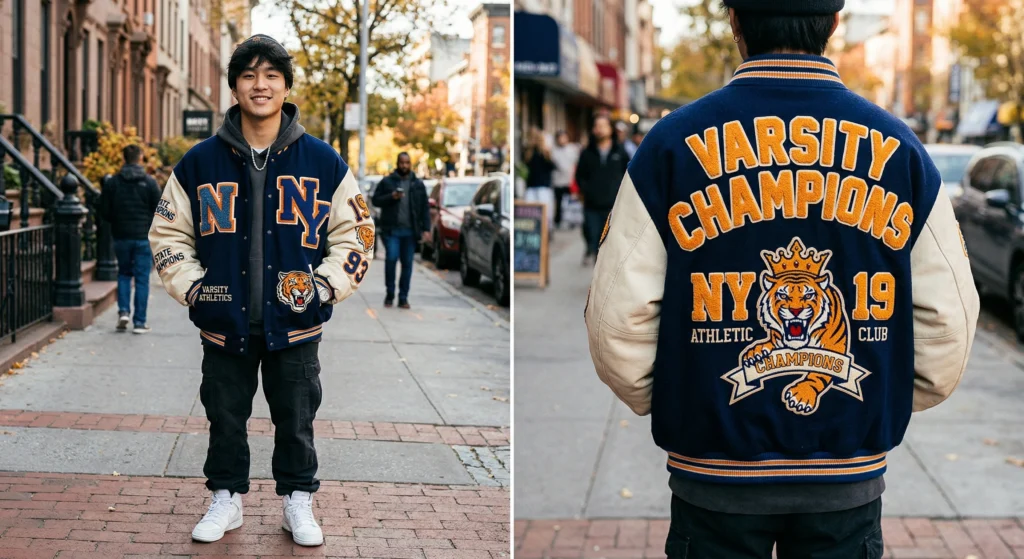
The Modern Trend: The Chenille Patch Sweatshirt
While wool letterman jackets are the traditional home for this style, the market has shifted dramatically. Today, the hottest ticket in casual apparel and streetwear is the chenille patch sweatshirt.
Think about it. A heavyweight, premium cotton hoodie paired with a thick, fuzzy front logo creates an incredible contrast in textures. Because the yarn is soft and flexible, it bends perfectly with the movement of a sweatshirt, making it vastly superior to stiff PVC or heavy metal crests for casual wear. If your clothing brand wants to charge a premium price for a hoodie, upgrading from flat screen-printing to a plush chenille logo is the easiest way to increase perceived value.
How to Apply: Iron On Chenille Patches
For production managers and DIY fashion brands alike, application speed matters. Fortunately, applying these emblems is incredibly straightforward.
While sewing will always offer the most permanent hold for heavy-duty outerwear, modern iron on chenille patches come equipped with industrial-grade heat-seal backing.
Here is the quick 3-step factory application method:
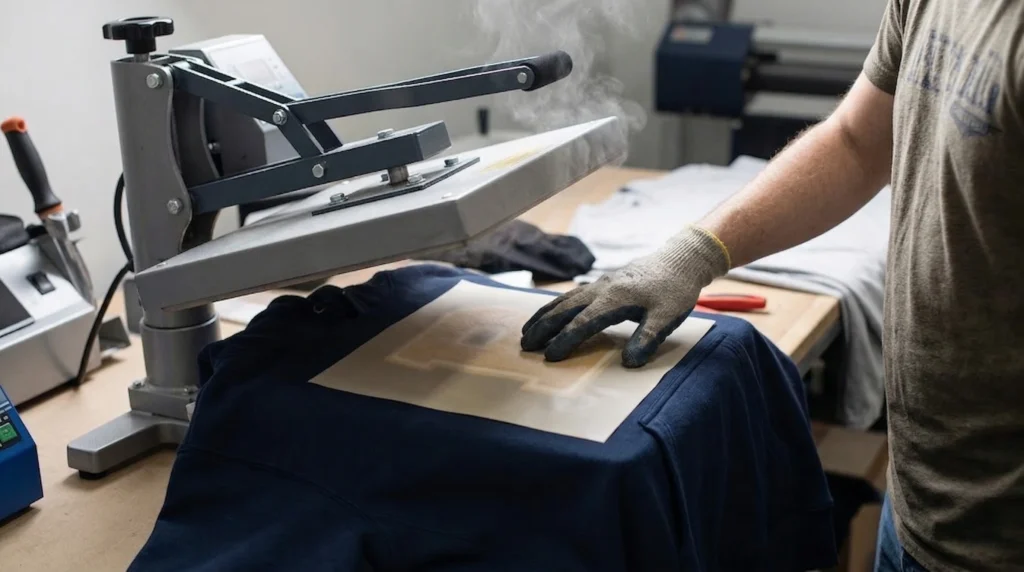
- Prep the Garment: Preheat your heat press (or household iron on the cotton setting) to about 320°F (160°C).
- Protect the Yarn: This is crucial. Never apply a hot iron directly to the fuzzy yarn, or you will melt and flatten the loops. Always place a thin Teflon sheet or a piece of parchment paper over the emblem.
- Press from Both Sides: Press firmly from the front for 15 seconds. Then, flip the sweatshirt inside out and press the back of the fabric for another 15 seconds to draw the glue deep into the garment’s fibers.
Partner with a Direct Factory
Understanding the manufacturing behind your apparel makes all the difference. Whether you are outfitting a sports team with classic varsity letters, or launching a high-end streetwear line featuring custom hoodies, nothing beats the tactile quality of vaulted yarn.
If you are ready to bring your designs to life, skip the middlemen. Contact a direct-factory manufacturer to see how scalable production can elevate your brand’s quality without breaking your budget.
Ready to source your own custom patches?
Tell us about your patch requirements and get a free digital proof and quote — no obligation, no pressure.
Your best custom patch manufacturing partner